
#3 massive Web Development factors that often gets overlooked!
AI Overview:
The most overlooked web development factors are performance engineering, accessibility-by-design, and scalable architecture. In 2025–2026, these elements directly affect rankings, conversions, and trust as search engines prioritize experience, EEAT signals, and AI-driven discovery. Sites that ignore speed, accessibility, and scalability struggle with visibility, user retention, and future growth. Addressing these factors early ensures better crawlability, higher engagement, and sustainable performance across traditional search, AI Overviews, and generative engines.

Table Of Content
- Introduction
- Understanding Overlooked Web Development Factors
- How These Factors Impact the Web Development Process
- The 3 Massive Web Development Factors Often Overlooked
- Emerging Web Development Trends (2025–2026 Focus)
- Traditional Web Development vs Modern Web Development
- Consumer Behavior & Real-World Impact
- Conclusion
- FAQs
Introduction
Modern web development is no longer just about aesthetics or functionality—it’s about delivering fast, inclusive, and scalable experiences that perform across devices and platforms. In 2025–2026, users expect instant load times, seamless mobile interactions, and accessible interfaces, while search engines evaluate sites using experience-focused metrics and EEAT principles. Many projects fail to meet these expectations because critical development fundamentals are treated as afterthoughts. Understanding and prioritizing the web development factors that often get overlooked can dramatically improve user satisfaction, search visibility, and long-term business outcomes.
Understanding Overlooked Web Development Factors
Overlooked web development factors are foundational elements that don’t always show up in visual mockups but strongly influence performance, SEO, and usability. In real-world terms, they determine how efficiently a site loads, how inclusive it is for all users, and how well it scales as traffic and content grow. Ignoring these areas creates technical debt that becomes expensive to fix later.
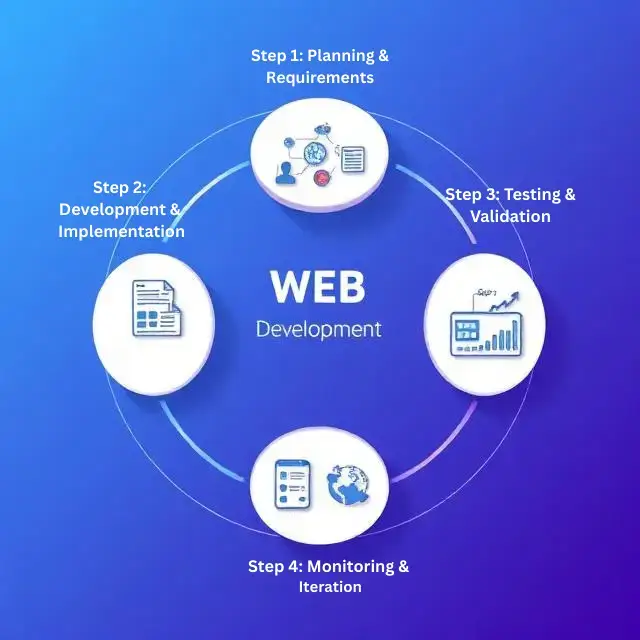
How These Factors Impact the Web Development Process
Step 1: Planning & Requirements
Defining performance budgets, accessibility standards, and growth expectations early.
Step 2: Development & Implementation
Building with optimized assets, semantic code, and modular architecture.
Step 3: Testing & Validation
Measuring Core Web Vitals, accessibility compliance, and scalability under load.
Step 4: Monitoring & Iteration
Using analytics and audits to refine performance over time.
The 3 Massive Web Development Factors Often Overlooked
1) Performance Engineering (Beyond Basic Speed)
Performance isn’t just page speed—it’s perceived speed, interaction readiness, and stability. Key practices include:
- Optimizing Core Web Vitals (LCP, INP, CLS)
- Reducing JavaScript bloat and render-blocking assets
- Leveraging caching, CDNs, and image optimization
Impact: Higher rankings, better engagement, and improved conversions.
2) Accessibility by Design (Not as an Add-On)
Accessibility ensures everyone can use your site, including users with disabilities. Essentials include:
- Semantic HTML and proper heading structure
- Keyboard navigation and focus states
- Alt text, captions, and readable contrast
Impact: Broader reach, legal safety, and stronger EEAT trust signals.
3) Scalable & Maintainable Architecture
Sites must grow without breaking. This requires:
- Modular components and clean codebases
- Logical URL structures and internal linking
- CMS governance and deployment workflows
Impact: Faster updates, lower costs, and long-term SEO stability.
Emerging Web Development Trends (2025–2026 Focus)
Forward-looking teams are aligning with:
- Performance budgets tied to rankings
- Accessibility standards as default (WCAG)
- Headless and composable architectures
- AI-assisted testing and monitoring
- SEO-ready development for AI Overviews
Traditional Web Development vs Modern Web Development
Traditional Approach
- Visual-first builds
- Accessibility and performance added later
- Fragile scaling
Modern Approach
- Experience-first engineering
- Accessibility and performance by default
- Scalable, modular systems
Modern development reduces risk and compounds value.
Consumer Behavior & Real-World Impact
Today’s users expect:
- Instant interactions
- Inclusive experiences
- Reliable performance on mobile
Overlooking these factors increases bounce rates and erodes trust, while addressing them improves retention and discoverability across search and AI-driven results.
Conclusion
In 2025–2026, successful websites are engineered for speed, inclusivity, and scale. Performance engineering, accessibility-by-design, and scalable architecture are no longer optional—they’re foundational. Prioritizing these overlooked factors reduces technical debt, improves SEO and AI visibility, and delivers durable business results. Build them in from day one to future-proof your web presence.
FAQs
Why is performance engineering critical now?
Because rankings and conversions depend on real-user experience metrics.
Is accessibility required for SEO?
Yes. Accessibility improves usability, content understanding, and trust signals.
When should scalability be planned?
At the start—retrofitting later is costly and risky.
Do these factors affect AI search visibility?
Yes. AI systems favor fast, structured, and trustworthy experiences.
Recent Comments