How Social Commerce Will Drive Local Business Revenue in 2026
AI Overview:
Social commerce in 2026 allows local businesses to generate revenue directly through social platforms using AI-driven discovery, in-app shopping, conversational commerce, and creator-led trust signals. It matters because consumers increasingly prefer buying where they discover products—inside social feeds, videos, and messages. Local businesses that adopt short-form video, live shopping, AI personalization, and hyperlocal targeting can increase visibility, shorten purchase cycles, and build repeat customers without heavy dependence on websites or traditional ads.
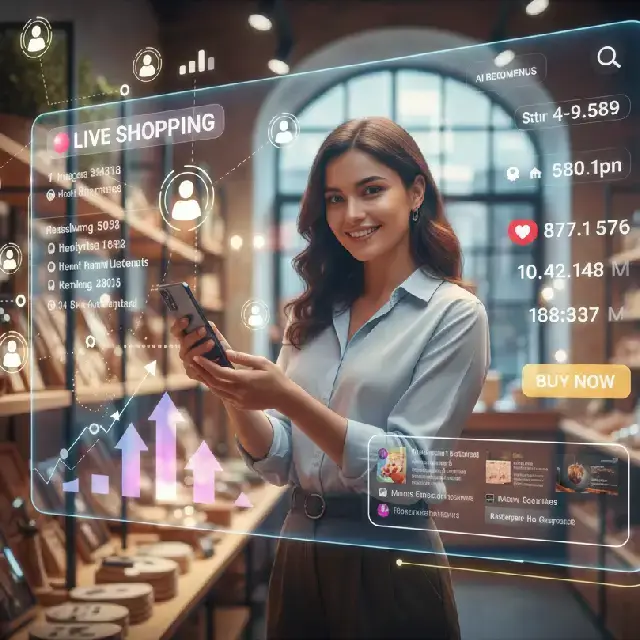
Table Of Content
- Introduction
- The Shift from Social Content to AI-Driven Video Discovery
- How Reels, Shorts & Feeds Decide What Goes Viral in 2026
- The Psychology Behind Scroll-Stopping Short Videos
- Designing Videos for AI, Not Just Humans
- Platform-Specific Video Behavior: Reels vs Shorts
- Why Authentic, Creator-Style Videos Outperform Brand Ads
- Short-Form Video as a Search & Conversion Tool
- AI Tools Reshaping Short-Form Video Strategy in 2026
- Content Formats That Win in 2026
- Traditional Video Marketing vs Short-Form Video
- How Consumer Behavior Is Reshaping Video Strategy
- Conclusion
- FAQs
Introduction
Social commerce has moved beyond product tags and marketplace features into a complete sales ecosystem. In 2026, platforms like Instagram, Facebook, YouTube, and messaging apps act as discovery engines, customer service channels, and checkout systems combined. AI algorithms now prioritize local relevance, engagement quality, and trust signals over brand size. Consumers expect seamless buying experiences that feel personal, fast, and authentic. For local businesses, this shift creates a massive opportunity to drive consistent revenue, reduce marketing friction, and compete effectively with larger brands by leveraging community presence and real-time engagement.
Why Social Commerce Is Reshaping Local Business Revenue Models
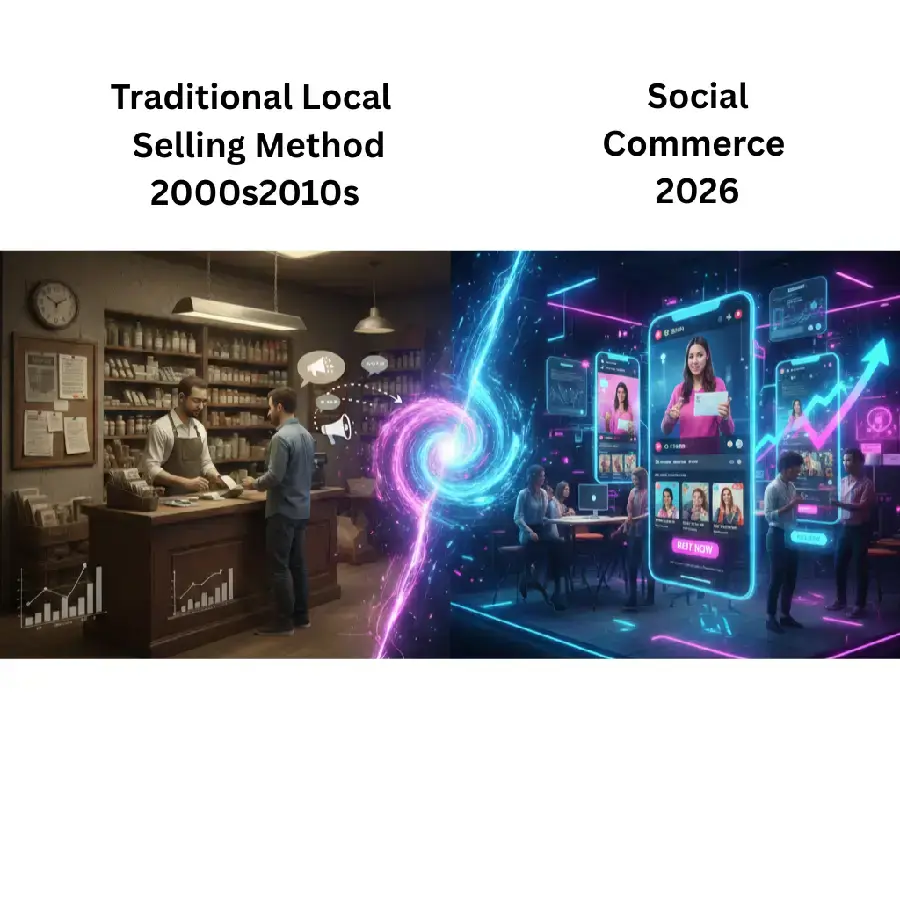
Traditional local sales relied on foot traffic, referrals, and static online listings. Social commerce replaces these limitations with continuous digital discovery. AI-powered feeds surface local products and services to nearby users based on behavior, interests, and intent. This allows local businesses to attract customers even when they are not actively searching. The result is higher demand generation, faster decision-making, and more predictable revenue streams.
The New Social Commerce Buying Journey in 2026
AI-Powered Local Discovery
Social platforms analyze location data, engagement patterns, and browsing behavior to recommend nearby businesses organically.
Trust Building Through Content
Before purchasing, users consume short videos, reviews, comments, and live sessions that validate credibility.
In-App Purchase & Messaging
Customers complete purchases directly through social checkout or via DMs without leaving the platform.
Retention Through Community
Post-purchase engagement, stories, and exclusive content turn buyers into repeat customers.
High-Impact Social Commerce Trends Driving Revenue in 2026
Short-Form Video as the Primary Sales Trigger
Reels and Shorts demonstrate products, show results, and answer objections in under 30 seconds, driving impulse and intent-based purchases.
Creator-Led Local Selling
Local creators and micro-influencers build trust faster than ads by sharing real experiences.
Live Commerce for Real-Time Conversions
Live product demos, launches, and Q&A sessions increase urgency and engagement.
Conversational Commerce via Messaging Apps
WhatsApp, Messenger, and Instagram DMs enable personalized recommendations and faster closures.
AI-Personalized Product Feeds
AI customizes product visibility based on user behavior, increasing relevance and conversion rates.
Platforms Powering Social Commerce Growth for Local Businesses
Instagram & Facebook Shops
Local tagging, in-app checkout, and story-based shopping drive impulse purchases.
YouTube Shorts & Live Shopping
Educational and demo-based videos influence research and buying decisions.
WhatsApp Commerce
Trusted communication channels enable high-intent conversations and repeat sales.
Old Local Selling Methods vs Social Commerce in 2026
|
Traditional Local Selling |
Social Commerce (2026) |
|
Walk-ins & phone calls |
AI-driven discovery |
|
Website-dependent |
In-app checkout |
|
Limited reach |
Hyperlocal targeting |
|
Manual follow-ups |
Automated conversations |
|
Transaction-focused |
Relationship-focused |
How Consumer Behavior Is Accelerating Social Commerce Adoption
Modern consumers trust people over ads and experiences over claims. They prefer fast responses, social proof, and seamless buying journeys. Many buyers now research and purchase without visiting a website. Social commerce aligns perfectly with these behaviors by blending entertainment, education, and convenience. Local businesses that adapt see higher engagement quality, faster conversions, and stronger customer loyalty.
Consumers expect speed, relevance, and honesty. They watch videos while researching, comparing, and learning—not just for entertainment. Brands that respect attention and deliver value quickly earn trust, repeat engagement, and stronger recall across platforms.
Conclusion
Short-form video mastery in 2026 is about understanding AI discovery, audience psychology, and platform behavior. Brands that focus on clarity, authenticity, and value will dominate attention where it matters most.
If growth, visibility, and trust are your goals, short-form video is no longer optional—it’s foundational.
FAQs
How does AI decide which short videos to promote?
AI evaluates retention, engagement, relevance, and early interaction signals.
Are Reels and Shorts replacing SEO?
They complement SEO by capturing discovery earlier in the user journey.
What type of short videos convert best in 2026?
Educational, experience-based, and problem-solving videos.
How often should brands post short-form videos?
Consistency matters more than volume; quality and relevance drive results.
Recent Comments