Short-Form Video Marketing Mastery for 2026: Reels, Shorts & AI Discovery
AI Overview:
Short-form video marketing in 2026 is driven by AI-powered discovery systems across Reels, Shorts, and social feeds. Platforms prioritize relevance, watch time, and engagement over follower count. This matters because users now discover brands through video-first, intent-based scrolling rather than traditional search alone. To succeed, businesses must create platform-native, hook-driven videos optimized for AI algorithms, mobile consumption, and real user value to achieve consistent visibility and growth.
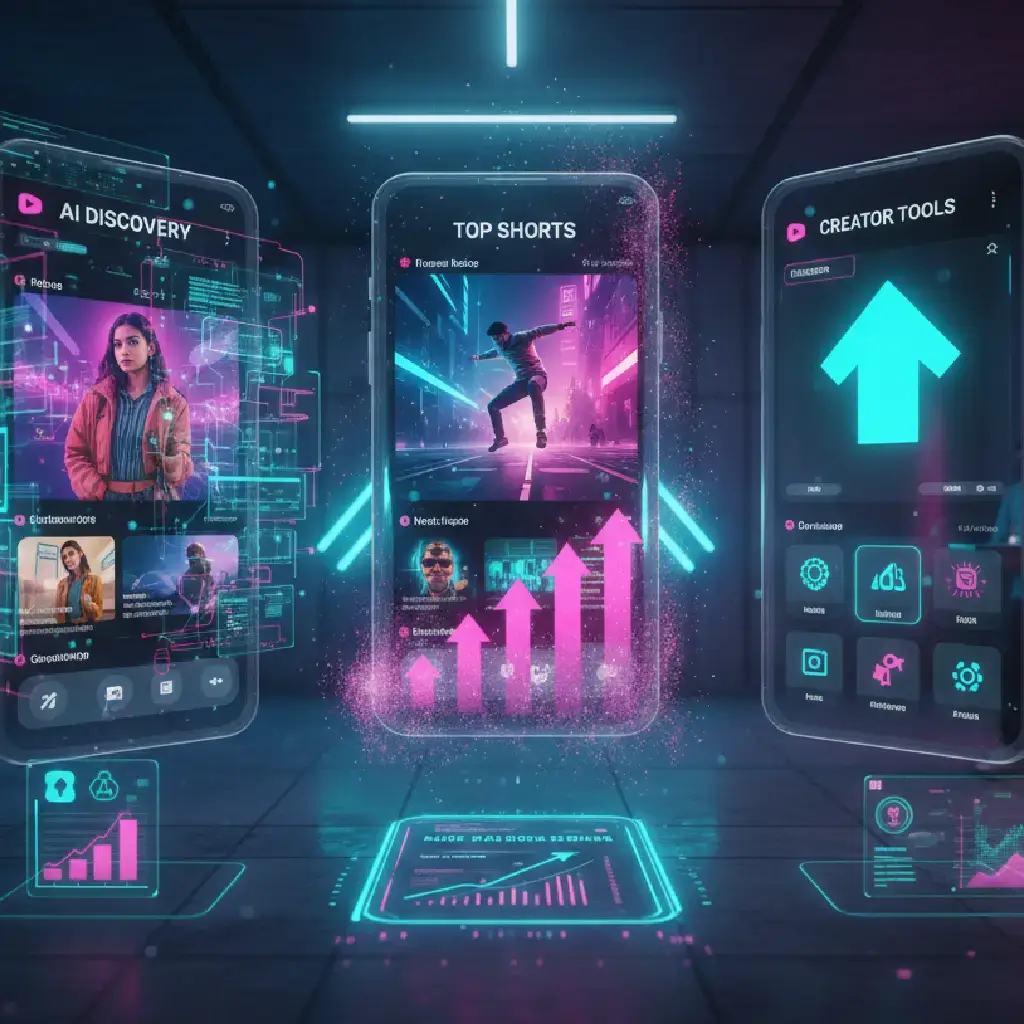
Table Of Content
- Introduction
- The Shift from Social Content to AI-Driven Video Discovery
- How Reels, Shorts & Feeds Decide What Goes Viral in 2026
- The Psychology Behind Scroll-Stopping Short Videos
- Designing Videos for AI, Not Just Humans
- Platform-Specific Video Behavior: Reels vs Shorts
- Why Authentic, Creator-Style Videos Outperform Brand Ads
- Short-Form Video as a Search & Conversion Tool
- AI Tools Reshaping Short-Form Video Strategy in 2026
- Content Formats That Win in 2026
- Traditional Video Marketing vs Short-Form Video
- How Consumer Behavior Is Reshaping Video Strategy
- Conclusion
- FAQs
Introduction
Short-form video is no longer a trend—it is the core discovery mechanism of digital marketing in 2026. Platforms like Instagram Reels and YouTube Shorts function as AI-led search and recommendation engines where users find solutions, brands, and inspiration within seconds. Attention spans are shorter, competition is higher, and algorithms evolve rapidly. Businesses that still rely on static content or overly polished ads struggle to gain traction. Mastering short-form video today means understanding AI behavior, audience psychology, and platform-native storytelling that converts quick attention into real business impact.
The Shift from Social Content to AI-Driven Video Discovery
Short-form platforms now operate more like intelligent search engines than social networks. AI evaluates viewer behavior, content relevance, and contextual signals to decide which videos appear in feeds. Discovery is no longer limited to followers—any video can scale if it satisfies user intent. This shift forces brands to think beyond posting and focus on discovery optimization.
How Reels, Shorts & Feeds Decide What Goes Viral in 2026
Engagement Signals That Matter
AI tracks watch time, replays, comments, saves, and shares within the first distribution window.
Retention Over Reach
Videos that hold attention to the end outperform those with high initial views but low completion.
Contextual Relevance
Captions, visuals, and spoken words help AI understand what the video is about and who should see it.
The Psychology Behind Scroll-Stopping Short Videos
Users scroll fast but decide faster. High-performing videos trigger curiosity, relevance, or emotion within the first three seconds. Clear value promises, visual movement, and human presence create immediate connection. Videos that feel educational, relatable, or problem-solving outperform promotional content because they align with how users consume information in micro-moments.
Designing Videos for AI, Not Just Humans
In 2026, videos must communicate clearly to both viewers and algorithms. This includes:
- On-screen text that explains the topic
- Spoken keywords that reinforce context
- Captions that support search and accessibility
- Visual cues that match viewer intent
AI relies on these signals to categorize, rank, and distribute content accurately.
Platform-Specific Video Behavior: Reels vs Shorts
While both formats are short-form, their behavior differs:
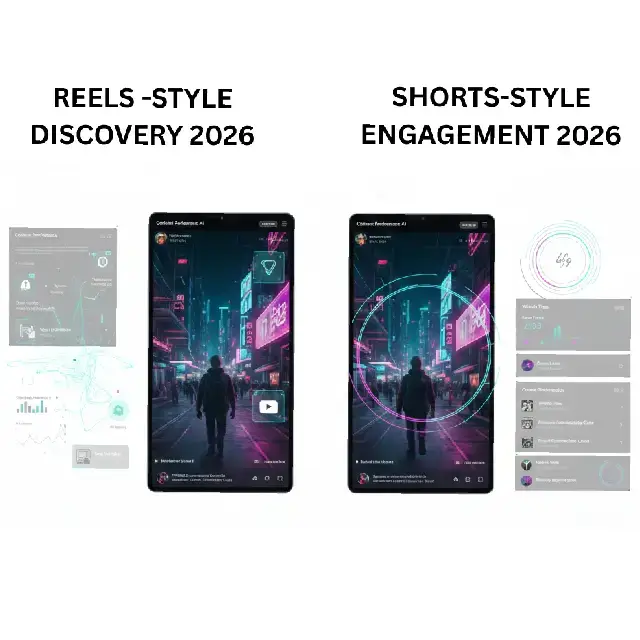
- Reels favor trends, audio usage, and community interaction
- Shorts prioritize retention, clarity, and educational value
Successful brands adapt hooks, pacing, and storytelling rather than cross-posting blindly.
Why Authentic, Creator-Style Videos Outperform Brand Ads
Users trust people more than logos. Creator-style videos feel natural, unscripted, and human—key trust signals in AI discovery systems. This approach aligns strongly with EEAT principles by showcasing experience, real insights, and genuine communication instead of polished promotion.
Short-Form Video as a Search & Conversion Tool
Short videos now answer questions, compare options, and influence buying decisions. Many users search directly within video platforms. When aligned with intent-based messaging and clear CTAs, short-form videos move users from awareness to action faster than traditional content.
AI Tools Reshaping Short-Form Video Strategy in 2026
- AI caption and subtitle generators
- Predictive posting-time tools
- Engagement and retention analytics
- Content idea generation based on trends
- Performance-based optimization dashboards
These tools reduce guesswork and improve consistency.
Content Formats That Win in 2026
- Micro-tutorials and quick explainers
- POV and experience-based clips
- Behind-the-scenes content
- Mistakes, myths, and comparisons
- Educational storytelling with personality
Traditional Video Marketing vs Short-Form Video
|
Traditional Video |
Short-Form Video (2026) |
|
High production |
Fast, mobile-first creation |
|
Brand-centric |
Audience-centric |
|
Long attention |
Instant value delivery |
|
Scheduled campaigns |
Continuous discovery |
|
Slow feedback |
Real-time insights |
How Consumer Behavior Is Reshaping Video Strategy
Consumers expect speed, relevance, and honesty. They watch videos while researching, comparing, and learning—not just for entertainment. Brands that respect attention and deliver value quickly earn trust, repeat engagement, and stronger recall across platforms.
Conclusion
Short-form video mastery in 2026 is about understanding AI discovery, audience psychology, and platform behavior. Brands that focus on clarity, authenticity, and value will dominate attention where it matters most.
If growth, visibility, and trust are your goals, short-form video is no longer optional—it’s foundational.
FAQs
How does AI decide which short videos to promote?
AI evaluates retention, engagement, relevance, and early interaction signals.
Are Reels and Shorts replacing SEO?
They complement SEO by capturing discovery earlier in the user journey.
What type of short videos convert best in 2026?
Educational, experience-based, and problem-solving videos.
How often should brands post short-form videos?
Consistency matters more than volume; quality and relevance drive results.
Recent Comments