Importance of On-page SEO
AI Overview:
On-page SEO is crucial because it directly helps search engines understand page content and users find accurate, relevant answers. In 2025–2026, effective on-page SEO focuses on search intent, content quality, page experience, and Google EEAT signals rather than keyword stuffing. Optimizing titles, headings, internal links, content structure, and performance improves visibility across traditional and AI-powered search results. Strong on-page SEO increases rankings, engagement, and conversions, making it a foundational requirement for sustainable organic growth.

Introduction
In 2025–2026, SEO success starts on the page itself. As search engines rely more on AI, context, and user experience, on-page SEO has become a decisive factor for visibility and trust. Businesses can no longer depend on backlinks or ads alone; pages must clearly communicate relevance, expertise, and usefulness. On-page SEO ensures content matches search intent, loads fast on mobile devices, and demonstrates credibility through structure and clarity. With users expecting quick, accurate answers, strong on-page optimization helps websites stand out, retain attention, and convert traffic into measurable business outcomes.
What Is On-page SEO in the Modern Context?
On-page SEO refers to optimizing individual web pages so search engines and users can easily understand and engage with the content. In a practical, modern context, it includes:
- Search intent–aligned content
- Optimized titles, headings, and URLs
- Internal linking and content structure
- Page experience, speed, and readability
On-page SEO bridges the gap between content creation and search visibility.
How On-page SEO Works: Step-by-Step
Step 1: Search Intent & Keyword Mapping
Identify what users are looking for and align pages to informational, transactional, or navigational intent.
Step 2: Content Structure & Optimization
Use clear headings, concise paragraphs, and helpful visuals to improve comprehension and scannability.
Step 3: Technical & UX Enhancements
Optimize page speed, mobile usability, and accessibility to meet modern experience standards.
Step 4: Internal Linking & Context Building
Connect related pages to strengthen topical authority and guide users effectively.
Key On-page SEO Factors That Drive Results
Search Intent Optimization
Pages must answer the exact questions users ask, not just include keywords.
EEAT-Focused Content
Demonstrating experience, expertise, authority, and trust improves credibility and rankings.
Mobile-First Page Experience
Fast-loading, responsive pages perform better across devices and search results.
Content Depth & Clarity
Comprehensive, well-organized content builds topical authority and user trust.
Data-Driven Improvements
Analytics guide updates based on engagement, rankings, and conversions.
Emerging On-page SEO Trends (2025–2026)
On-page SEO continues to evolve with trends such as:
- AI-driven content understanding and SGE optimization
- Entity-based and topical SEO
- Enhanced page experience and Core Web Vitals
- Structured data for richer search results
- Content optimized for humans and AI interpretation
Old On-page SEO vs Modern On-page SEO
Old Approach
- Keyword stuffing
- Over-optimized tags
- Minimal focus on user experience
Modern Approach
- Intent-driven, user-first content
- Clear structure and readability
- Performance and trust optimization
Modern on-page SEO aligns content with how users search and decide.
Consumer Expectations & Real-World Impact
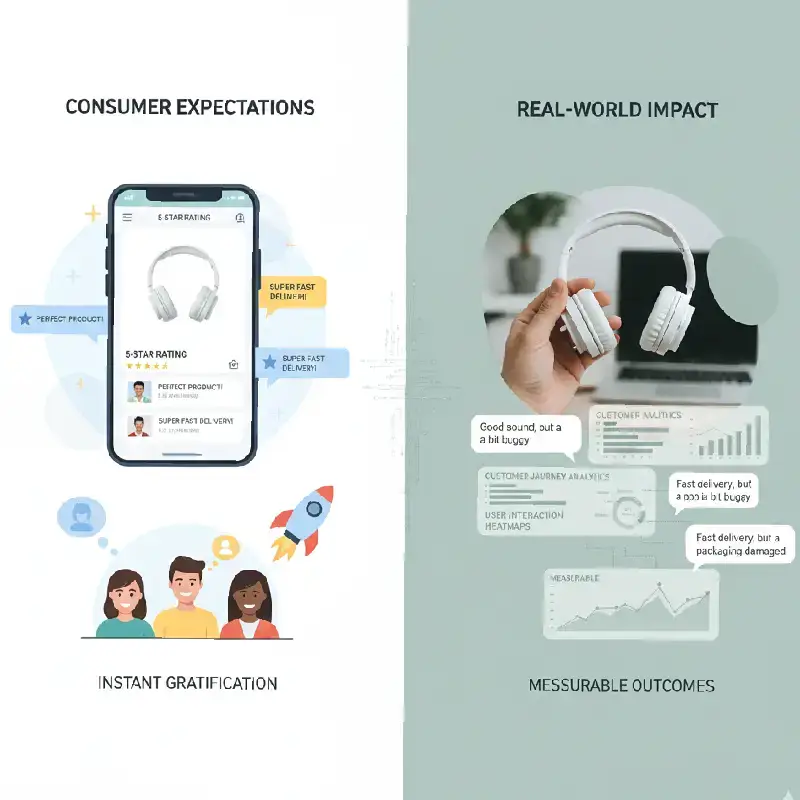
Today’s users expect:
- Fast-loading pages
- Clear, helpful answers
- Easy navigation on mobile
On-page SEO directly influences satisfaction, dwell time, and conversions. Well-optimized pages reduce bounce rates and increase trust before any sales interaction.
Conclusion
On-page SEO is not a one-time task—it’s an ongoing strategy that defines how content performs. In 2025–2026, with AI-driven search and higher user expectations, optimizing pages for intent, experience, and trust is essential. Businesses that invest in strong on-page SEO gain sustainable rankings, better engagement, and measurable growth. If your goal is long-term visibility and conversions, start by optimizing what users and search engines see first—your pages.
FAQs
Why is on-page SEO important for rankings?
It helps search engines understand content relevance and improves user experience signals.
Is on-page SEO enough for SEO success?
It’s essential but works best alongside technical SEO and quality backlinks.
How often should on-page SEO be updated?
Regularly—especially when content, intent, or algorithms change.
Does on-page SEO affect AI search results?
Yes. AI systems rely heavily on clear structure, context, and content quality.
Recent Comments